Source Custom Logo Cuff Links for Weddings, Parties, and Corporate Events
Explore 30 listings for custom logo cuff links available from manufacturers in China. Buyers can compare zinc alloy and brass options with gold plating, die casting techniques, and OEM customization services for various occasions.
Key considerations
Products List


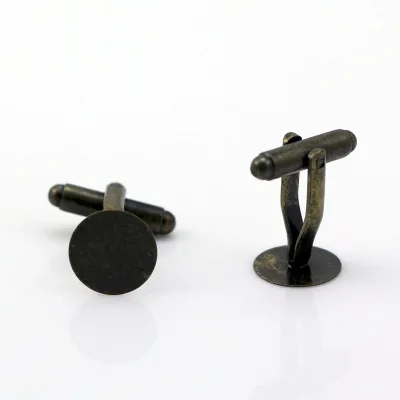
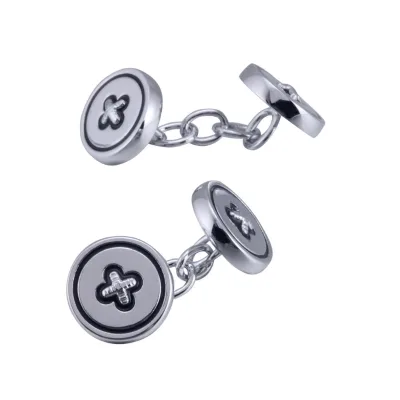


Comprehensive Sourcing Guide
Strategic Sourcing Guide for Custom Logo Cuff Links
Understanding Material Composition and Manufacturing Techniques
The foundation of a successful procurement strategy for custom logo cuff links begins with a precise understanding of the material composition and the manufacturing techniques employed. Based on current market observations, the primary materials utilized in this category include Zinc Alloy, Brass, and general Alloy compositions. These materials are often sourced from artificial origins, indicating a controlled manufacturing environment rather than raw natural extraction. The choice between Zinc Alloy and Brass significantly impacts the final product's weight, durability, and cost structure. Zinc alloy offers a cost-effective solution suitable for high-volume orders, while brass provides a denser, more premium feel often associated with higher-end fashion accessories.
The manufacturing process is equally critical to the product's integrity. The dominant techniques observed in the sector are Stamping and Die Casting. Stamping is a high-efficiency process ideal for creating uniform shapes and intricate details, particularly when producing round or square designs. Die casting allows for more complex geometries and is often used to achieve the specific dimensions required by custom designs. For buyers seeking a specific aesthetic, the "Stamped Brass" technique is a notable option that combines the durability of brass with the precision of stamping. The production process also involves various plating methods, including Gold, Anti-Silver, Platinum, Rhodium, Copper, and Silver finishes. These plating options are essential for achieving the desired color and luster, with "Colorful Enamel" and different plating variations available to meet specific design requirements.
Technical Specifications and Customization Capabilities
When defining the technical specifications for custom logo cuff links, buyers must navigate a landscape of flexible sizing and design parameters. The standard dimensions observed in the market often revolve around 20mm by 20mm or a 20mm diameter, yet the industry standard explicitly welcomes custom sizes. This flexibility allows brands to tailor the cuff links to their specific logo dimensions or brand identity requirements. The shape of the cuff links is predominantly round, but the customization capabilities extend to the physical form factor, with some specifications noting dimensions up to 50mm for custom designs.
The customization of the logo is a central feature of this product category. Suppliers typically offer multiple methods for logo application, including Raised, Recessed, and Printing techniques. This variety ensures that the brand's identity can be rendered with the appropriate depth and texture. Raised logos provide a tactile, three-dimensional effect, while recessed logos offer a sleek, sunken appearance. Printing methods allow for full-color reproduction, which is particularly useful for complex logos or detailed artwork. The availability of free artwork services further streamlines the design phase, allowing buyers to submit their creative assets without incurring initial design fees. The "Customer Design" attribute, often categorized under OEM (Original Equipment Manufacturer) services, confirms that the production line is fully adaptable to unique client specifications rather than being limited to pre-existing catalog items.
Cost Drivers and Pricing Structures
The pricing structure for custom logo cuff links is influenced by several key variables, including material selection, plating complexity, order volume, and the specific manufacturing processes employed. The observed price range in the market spans from $0.01 to $5.00 USD per unit, reflecting the wide disparity between basic alloy options and premium brass or gold-plated variants. This broad range indicates that cost is highly sensitive to the material grade and the finishing techniques used.
Order volume plays a pivotal role in determining the final unit cost. The Minimum Order Quantity (MOQ) typically ranges from 10 to 10,000 units, with a common baseline of 100 pieces for standard orders. Buyers should anticipate that smaller orders may carry a higher per-unit cost due to setup and tooling expenses, whereas larger volumes leverage economies of scale to reduce the price. The "Factory Price" and "Competitive Price" attributes suggest that direct sourcing from manufacturing hubs, particularly in China and specifically Guangdong, can offer significant cost advantages. Additionally, the production timeline, which typically spans 18 to 20 days for full production runs, and a sample time of 5 to 7 days, must be factored into the overall budget planning. Rush orders or expedited shipping via express carriers like DHL or UPS for samples and small orders will incur additional logistics costs that buyers need to account for in their total cost of ownership calculations.
Compliance, Certification, and Quality Assurance
In the realm of B2B procurement for fashion accessories, verifying compliance and quality assurance is paramount, even when specific certification documents are not explicitly listed in the product data. Buyers must prioritize suppliers who demonstrate a commitment to "Good Quality" and "Fine Workmanship," as these attributes are direct indicators of the manufacturer's internal quality control standards. The craftsmanship involved in the stamping and die-casting processes must be rigorously inspected to ensure that the finished product meets the required aesthetic and functional standards.
While specific third-party certifications are not detailed in the provided product facts, buyers should verify that the materials used, such as Zinc Alloy and Brass, comply with international safety and environmental regulations regarding heavy metals and chemical content. The plating processes, which include gold, silver, and rhodium, must be free from harmful substances that could cause skin irritation or environmental damage. Quality control checks should focus on the consistency of the plating thickness, the precision of the logo application, and the structural integrity of the cuff link mechanism. The "Craftsmanship" attribute implies a level of manual or semi-automated finishing that requires consistent oversight. Buyers should request sample batches to evaluate the "Fine Workmanship" firsthand before committing to large-scale production, ensuring that the final product aligns with their brand's quality expectations.
Supplier Evaluation and Operational Logistics
Selecting the right supplier involves a comprehensive evaluation of their operational capabilities, location, and service terms. The majority of the observed supply base is located in China, with a specific concentration in Guangdong, a region known for its robust manufacturing infrastructure and expertise in metalworking. This geographic concentration often translates to efficient supply chains and specialized knowledge in producing metal accessories.
Key operational factors to evaluate include the supplier's ability to handle OEM requests, their sample production capabilities, and their shipping terms. The "EXW-Factory" (Ex Works) term is commonly observed, meaning the buyer is responsible for arranging and paying for transportation from the factory gate. This requires buyers to have a reliable freight forwarder or logistics partner to manage the shipment from the Chinese factory to their destination. The availability of "Fast Service" and "Competitive" logistics options, such as express shipping via DHL or UPS for samples and small orders, is a significant advantage for buyers needing quick turnaround times. Furthermore, the supplier's ability to provide "Free Arwork" and handle "Customized" designs efficiently is a critical differentiator. Buyers should assess the supplier's responsiveness and their track record in meeting the "Sample Time" of 5-7 days and the "Production Time" of 18-20 days to ensure they can meet their own market launch schedules.
Typical Applications and Market Positioning
Custom logo cuff links serve a versatile range of applications, primarily targeting "Party Occasions" and "Happy occasions." These products are designed to be worn by individuals in formal or semi-formal settings where personal style and brand identity are paramount. The "Unisex" nature of the product expands the potential market to include both male and female consumers, making it a versatile accessory for corporate events, weddings, galas, and promotional campaigns. The "Elegant" and "Fashion" styles observed in the market cater to a broad spectrum of tastes, from classic and timeless designs to more modern and trendy aesthetics.
The primary application of these cuff links is often as a branding tool. Companies frequently utilize custom logo cuff links as high-value corporate gifts, promotional items, or employee recognition awards. The ability to imprint a company logo using raised, recessed, or printing techniques makes these items effective for brand visibility. The "OEM" capability ensures that businesses can create a unique product that aligns perfectly with their corporate identity. Additionally, the "Fashion" style attribute suggests that these items are also suitable for retail markets, where consumers seek unique accessories to complement their attire. The versatility of the product, combined with the ability to customize size, shape, and plating, allows it to fit into various market segments, from luxury gift shops to corporate procurement departments.
Long-Term Procurement Considerations and Sustainability
For buyers planning long-term procurement strategies, several factors must be considered to ensure a sustainable and profitable relationship with suppliers. The "Competitive Price" and "Factory Price" attributes suggest that maintaining a stable supply chain is crucial for keeping costs down over time. Buyers should focus on building relationships with suppliers who can consistently deliver "Good Quality" and "Fine Workmanship" across multiple production runs. Consistency in the plating quality and logo application is essential to maintain brand reputation.
Sustainability considerations, while not explicitly detailed in the product facts, are increasingly important in the global market. Buyers should inquire about the environmental impact of the plating processes and the recyclability of the metal alloys used. The "Artificial" material sources indicate a controlled manufacturing process, which can be optimized for waste reduction. Additionally, the packaging standards, such as "1PC/Polybag; 100PCS/Bigbag" or "1PCS/Plastic Bag + Bubble Bag," should be evaluated for their environmental footprint. Buyers may opt for eco-friendly packaging solutions to align with their corporate sustainability goals. Finally, the ability to adapt to changing market trends, such as the demand for "Colorful Enamel" or different plating options, ensures that the product line remains relevant and competitive in the long term. By focusing on these strategic elements, buyers can secure a reliable supply of high-quality custom logo cuff links that meet both current and future business needs.
FAQs
What materials are used for custom logo cuff links?
Custom logo cuff links are primarily made from Zinc Alloy, Brass, and general Alloy compositions. These materials are sourced artificially to ensure controlled manufacturing environments and consistent quality across different production runs.
Which manufacturing techniques are available for these products?
The available manufacturing techniques include Stamping and Die Casting processes. Stamped Brass is a notable option that combines durability with precision, allowing for intricate details and uniform shapes in the final accessory design.
Can I customize the size and shape of the cuff links?
Yes, custom sizes are welcomed with standard dimensions often around 20mm by 20mm or 20mm diameter. Buyers can request specific dimensions up to 50mm to perfectly match their brand identity or logo requirements without limitations.
How are logos applied to the custom cuff links?
Logos can be applied using Raised, Recessed, or Printing techniques to suit different aesthetic needs. Raised logos offer a tactile effect, recessed logos provide a sleek look, and printing allows for full-color reproduction of complex designs.
What is the typical minimum order quantity for these items?
The minimum order quantity typically ranges from 10 to 10,000 units, with a common baseline of 100 pieces. Smaller orders may carry higher per-unit costs, while larger volumes leverage economies of scale to reduce the final price.
Where are these custom cuff links manufactured?
These products are manufactured in China, with a specific concentration in the Guangdong region. This location offers robust manufacturing infrastructure and specialized expertise in metalworking for efficient supply chains and cost-effective production.
What plating options are available for the finished products?
Various plating options are available including Gold, Anti-Silver, Platinum, Rhodium, Copper, and Silver finishes. Different plating variations and colorful enamel options can be selected to achieve the desired color, luster, and specific design requirements.